Festival City Łódź: Do Full Hotels from Time to Time Mean Success?
Sustainable tourism is tourism that contributes to the long-term and lasting development of destinations, their residents and the businesses operating within them, while respecting the local environment. It should also be resilient to various types of crises and, above all, should not generate additional tensions or conflicts.
It is from this perspective that Dr Tomasz Napierała from the Faculty of Geographical Sciences at the University of Lodz closely examines tourism in Łódź. Using data from the Łódź Convention Bureau and CoStar, and working together with his seminar students and a research team including Prof. Krzysztof Celuch (Nicolaus Copernicus University in Toruń) and Dr Katarzyna Leśniewska-Napierała (University of Lodz), the researcher monitors the impact of the meetings industry on the performance of the hotel sector in Łódź.
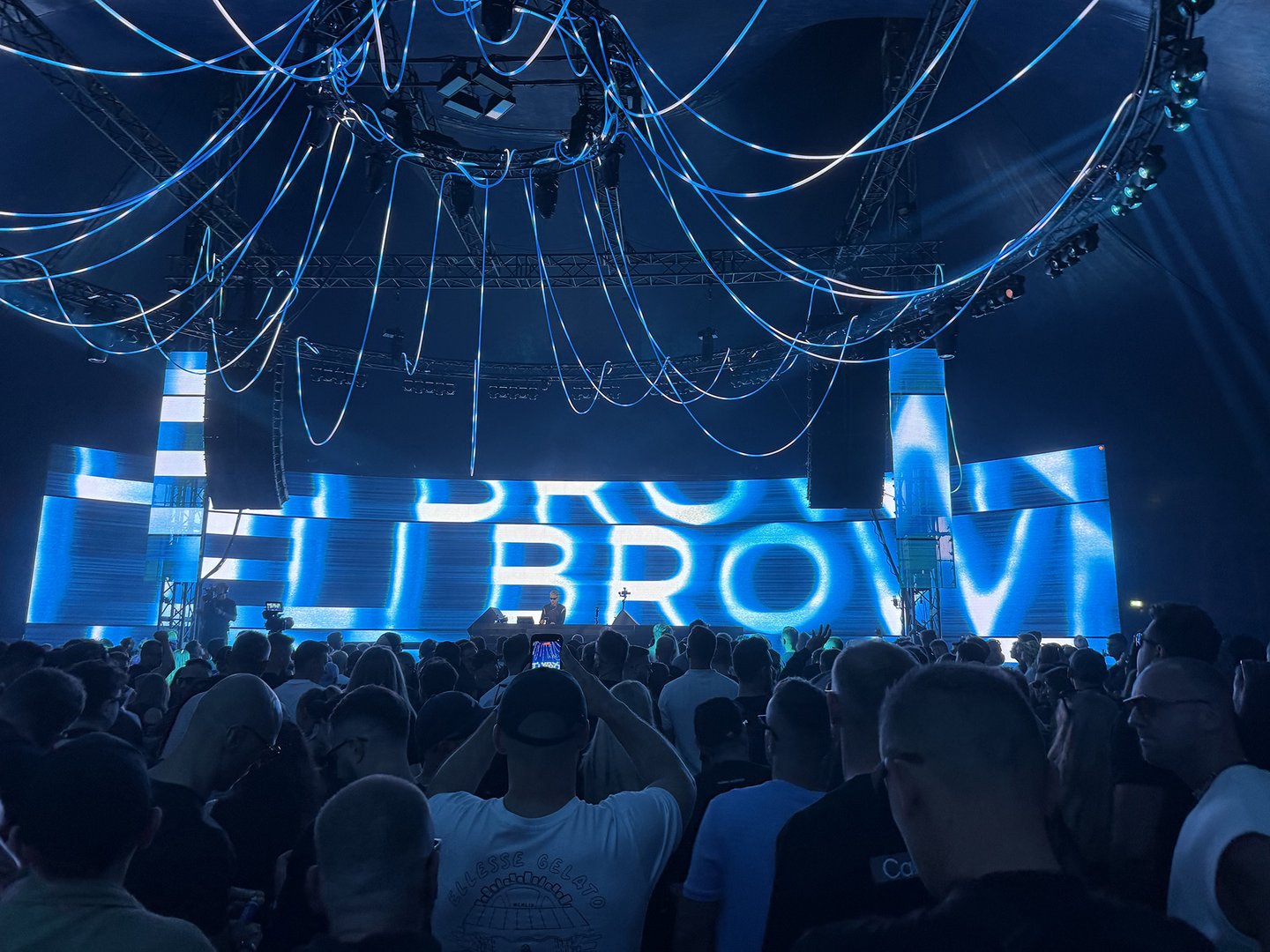
The research team investigates how various types of meetings, sporting and cultural events, congresses and conferences, as well as corporate integration events, affect the performance of hotels operating in Łódź.
A City That Attracts People: Why We Need Tourists and the Meetings Industry
The meetings industry and related sectors, such as hospitality, are an important part of the urban economy. They provide employment opportunities for residents, attract investment and contribute to strengthening a city’s position in both domestic and international markets.
Based on the monitoring of the meetings industry mentioned above, it was established that every additional thousand participants attending meetings organised in Łódź was associated with an increase of approximately PLN 1.50 in revenue per available room generated by Łódź hotels.
Dr Tomasz Napierała comments:
It may not seem like much. However, hotels in Łódź offer nearly 135,000 room nights per month in total. Across the entire city, this translates into more than PLN 200,000 in additional monthly revenue from accommodation services alone, and only in hotels monitored by CoStar.
The meetings industry is one of the key reasons why people visit cities. It serves as a vehicle for the transfer of knowledge and innovation, cultural exchange, and mutual understanding, helping to build interpersonal relationships. It is important, however, that such meetings take place with respect for what is local: residents, their culture and customs, everyday life, and the places that help shape the character of the city.

Between Seasonality and Overtourism: Why We Need a Well-Planned Events Calendar
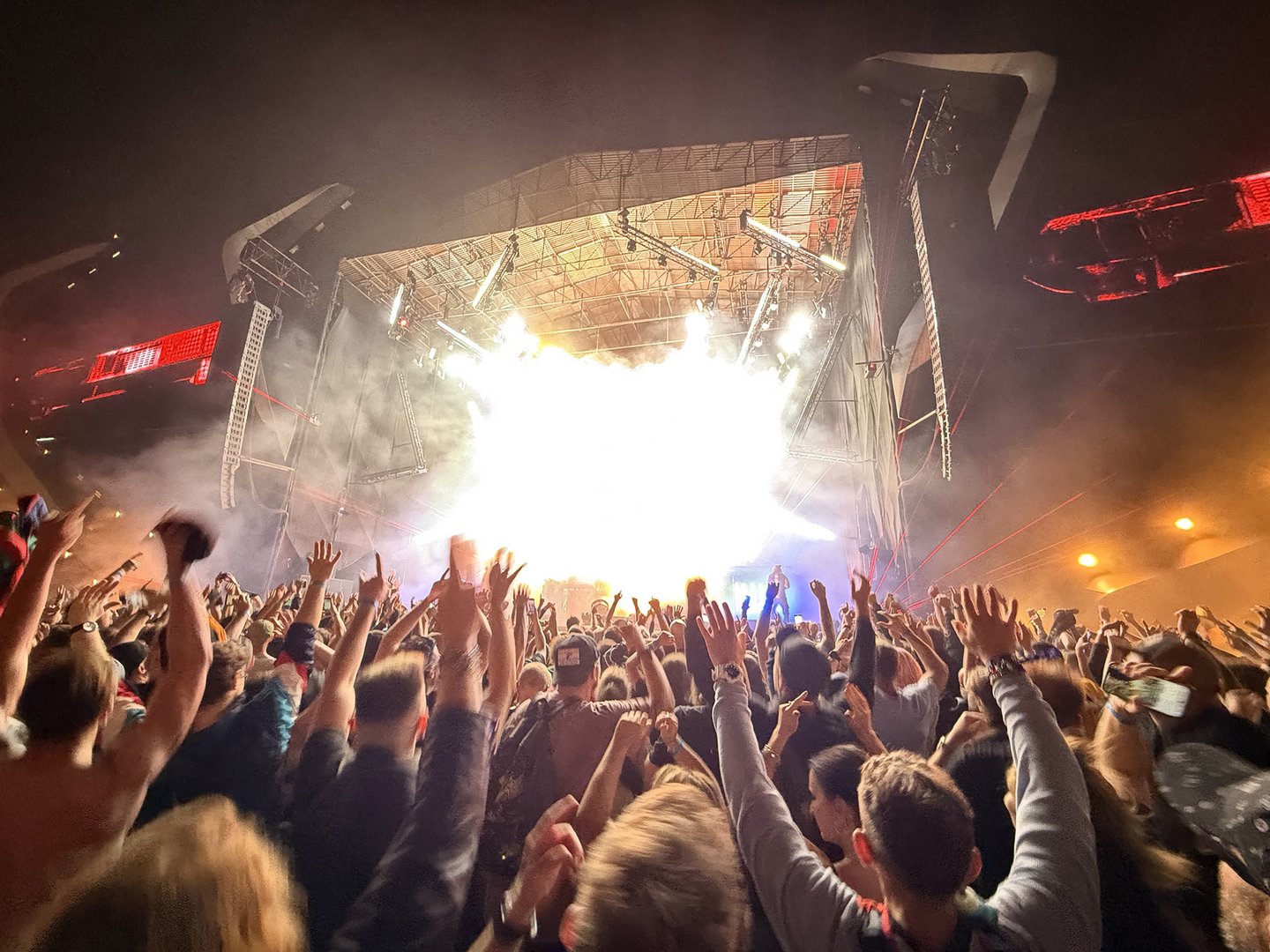
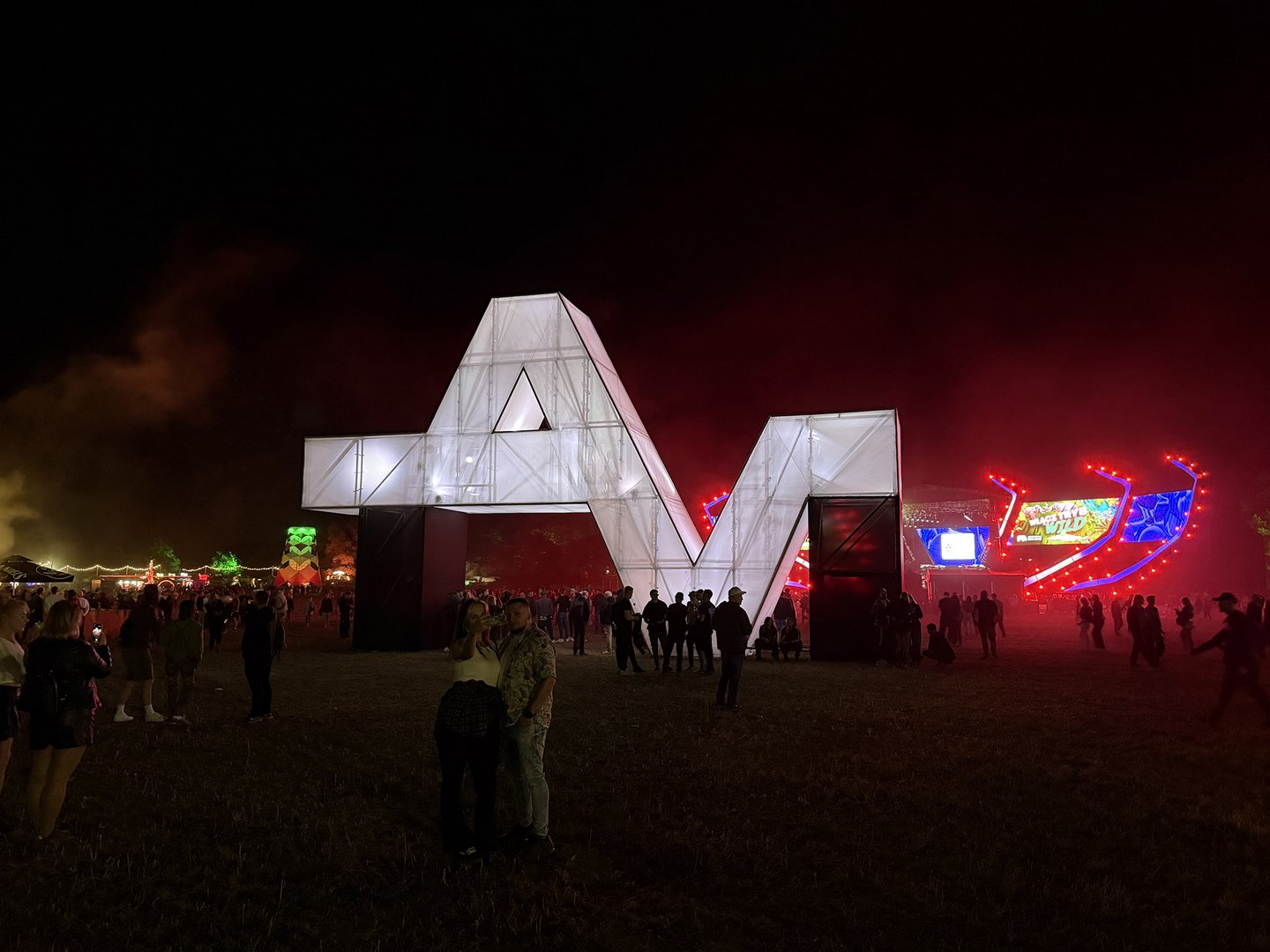
Major events support place branding (“Łódź as a festival destination”) and increase visitor numbers, but they also concentrate intensified tourist traffic into short periods of time. During the remainder of the year, staff and infrastructure prepared to service such events may remain underutilised. Conversely, the people and infrastructure available on a day-to-day basis may not be able to efficiently accommodate a large, occasional influx of visitors while maintaining appropriate service quality.
Research conducted under the supervision of Dr Tomasz Napierała has confirmed that not only the scale of the meetings industry, but also its diversity, matters for the economic performance of Łódź hotels. Important factors include where event participants come from, which sectors they represent, and where meetings are organised. Diversity in its various dimensions can therefore contribute to making better use of the meetings industry’s potential.
As Tomasz Napierała explains:
From the city’s perspective, the goal is not always to sell everything out and break another attendance record. Excessive concentrations of visitor traffic over a short period can create not only service-related challenges but also added pressure on transport systems, public spaces, and residents’ daily lives. This is why, alongside developing existing events and attracting new ones, it is equally important to shape the events calendar in a way that distributes the benefits of the meetings industry as evenly as possible throughout the year. The Łódź Convention Bureau plays an important role in this conscious development of the city’s events market.
Counting Tourists Is Not Enough: Why We Must Monitor People, Time and Money
The effective operation of businesses, including companies in the events and hospitality sectors, requires access to diverse knowledge and information. We should remember that the overwhelming majority of enterprises operating within the meetings industry and tourism sector are micro and small businesses.
These companies often lack the resources needed to collect and analyse market data of strategic importance. It is important for them to understand that making good decisions, both strategic and operational, requires access to data and the ability to use analyses that may be prepared by other organisations. This is where the shared responsibility of the city’s tourism organisation and the local academic community comes into play.
Summarising the findings of his work, Dr Tomasz Napierała notes:
The city does not need another report telling it how many tourists attended the latest edition of a popular festival last year or whether they enjoyed the event. What it needs is ongoing monitoring that helps us understand who comes to Łódź, when and why they come, how much money they spend in the city, where untapped development opportunities still exist, and where potential conflicts or challenges may arise. The local university has a special role to play here. We are part of this city, we study its processes over many years, we cooperate with the local industry, and we are able to place current data within a much broader context.
Source: Dr Tomasz Napierała
Edit: Bartosz Kałużny
Photos: Robert Topolski